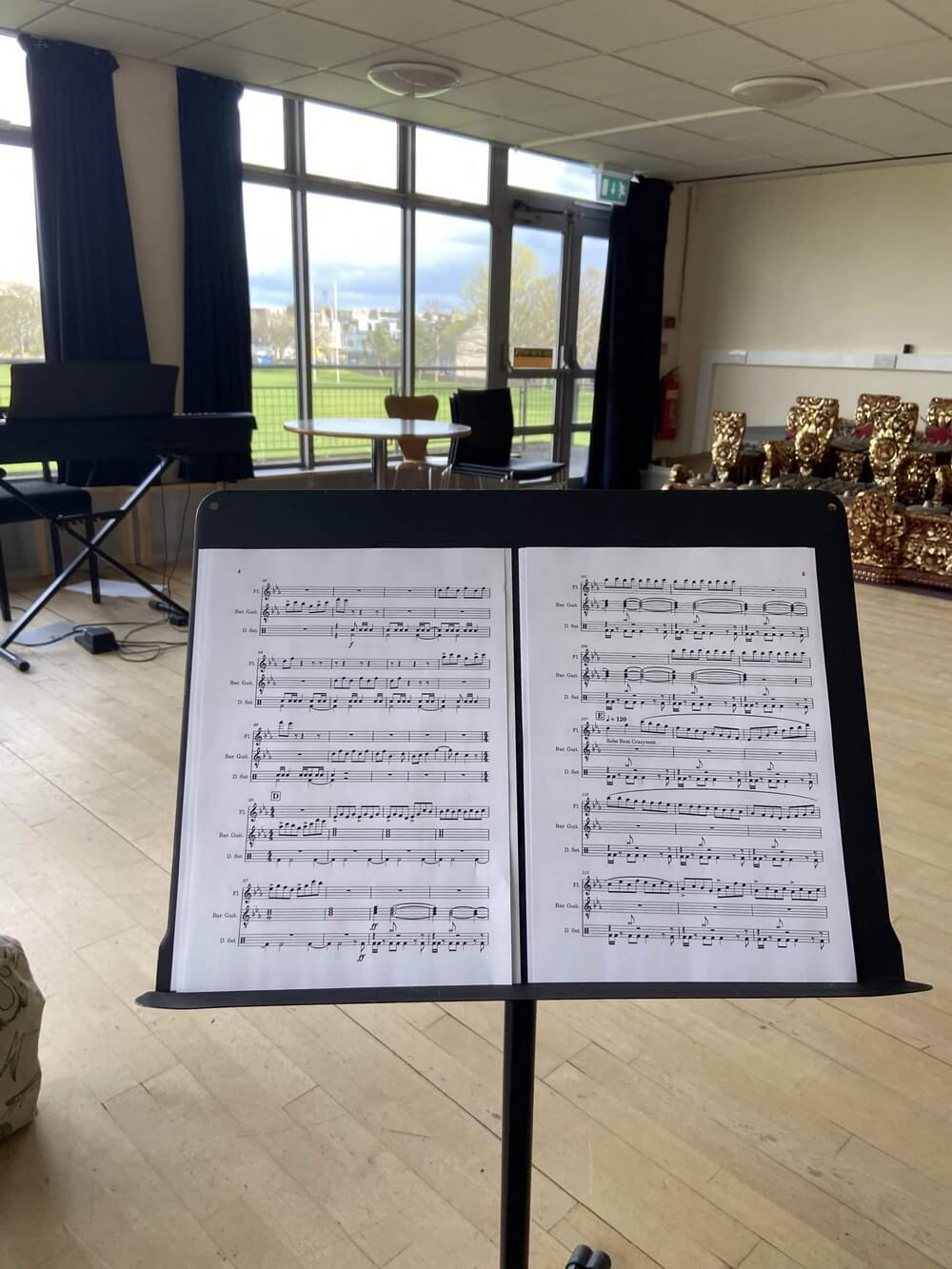
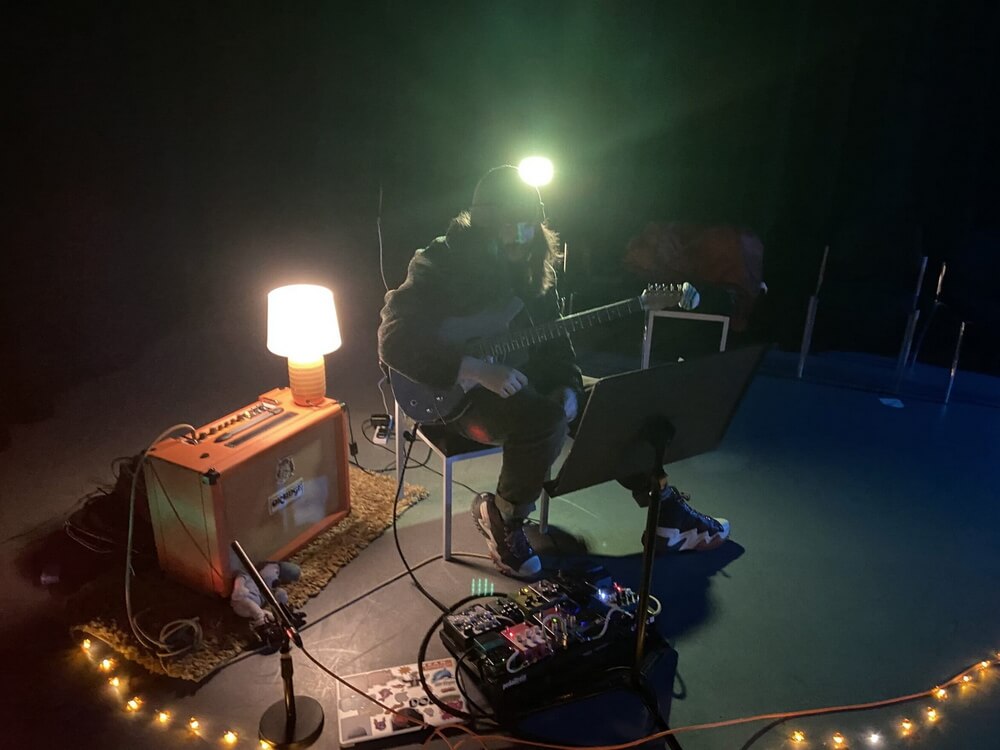
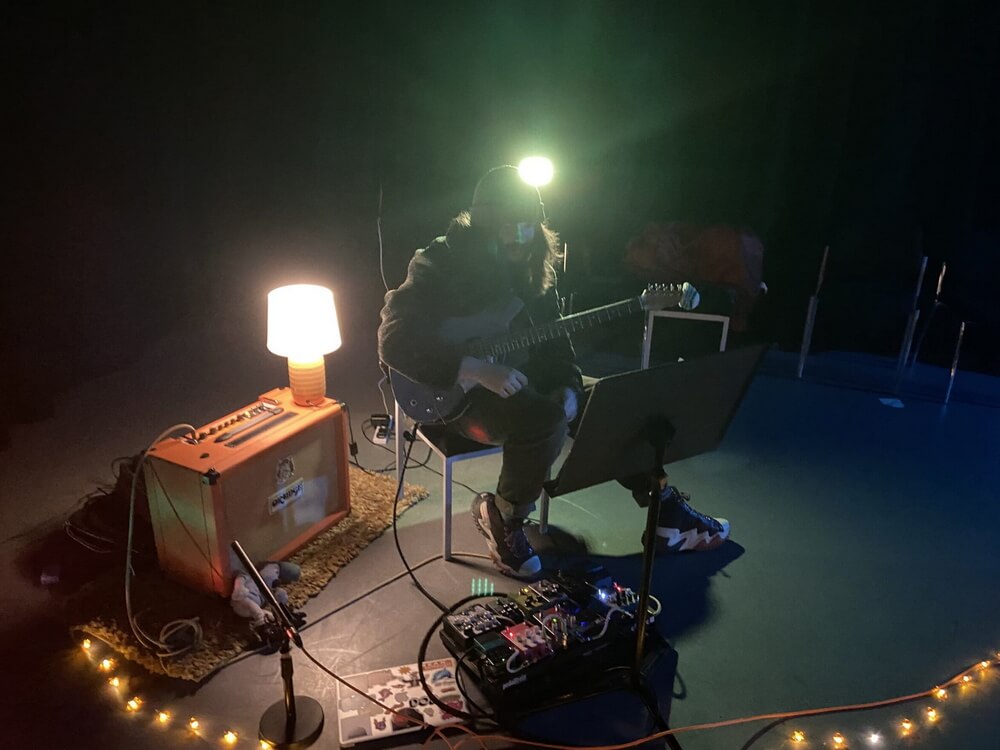
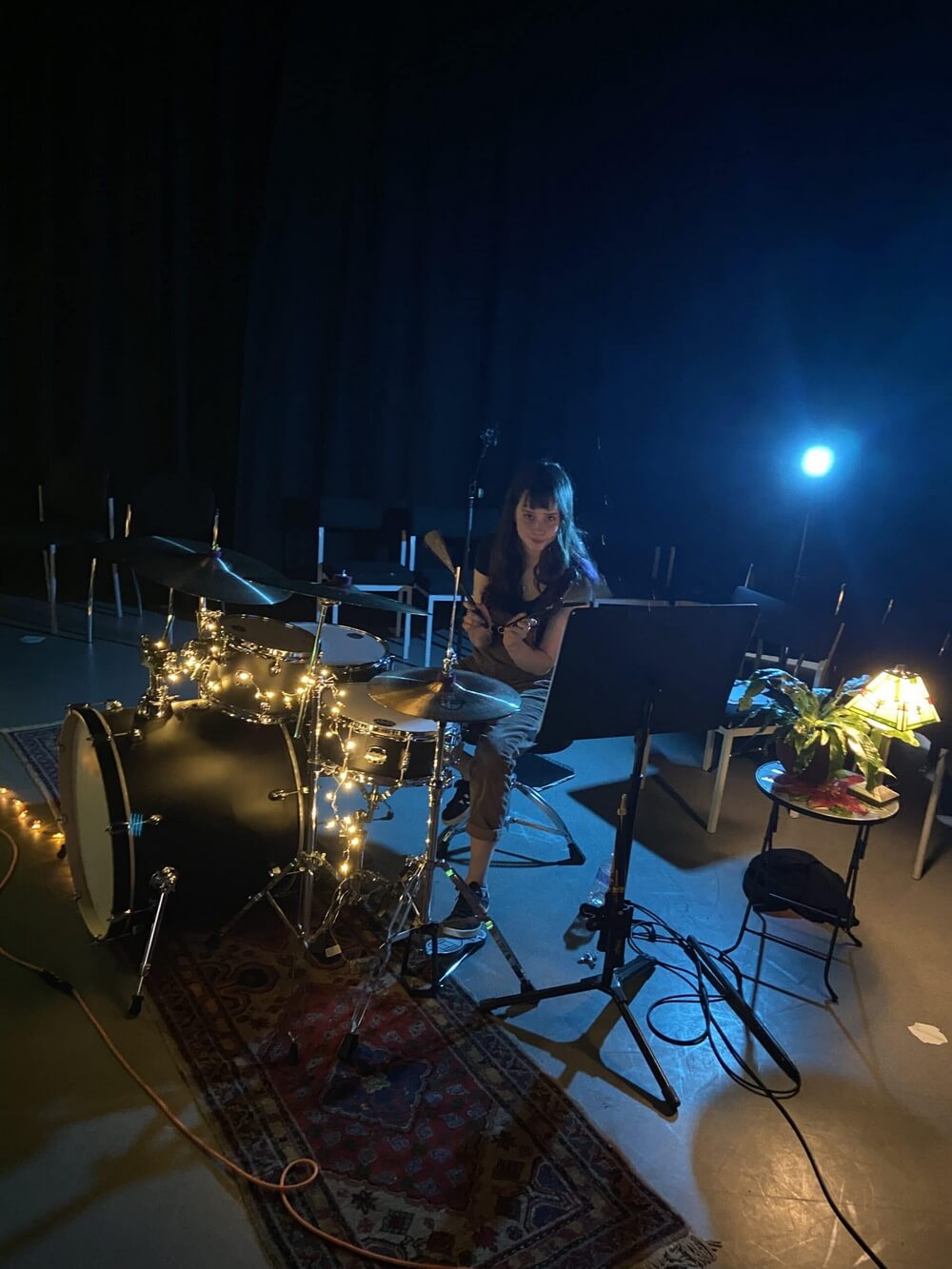
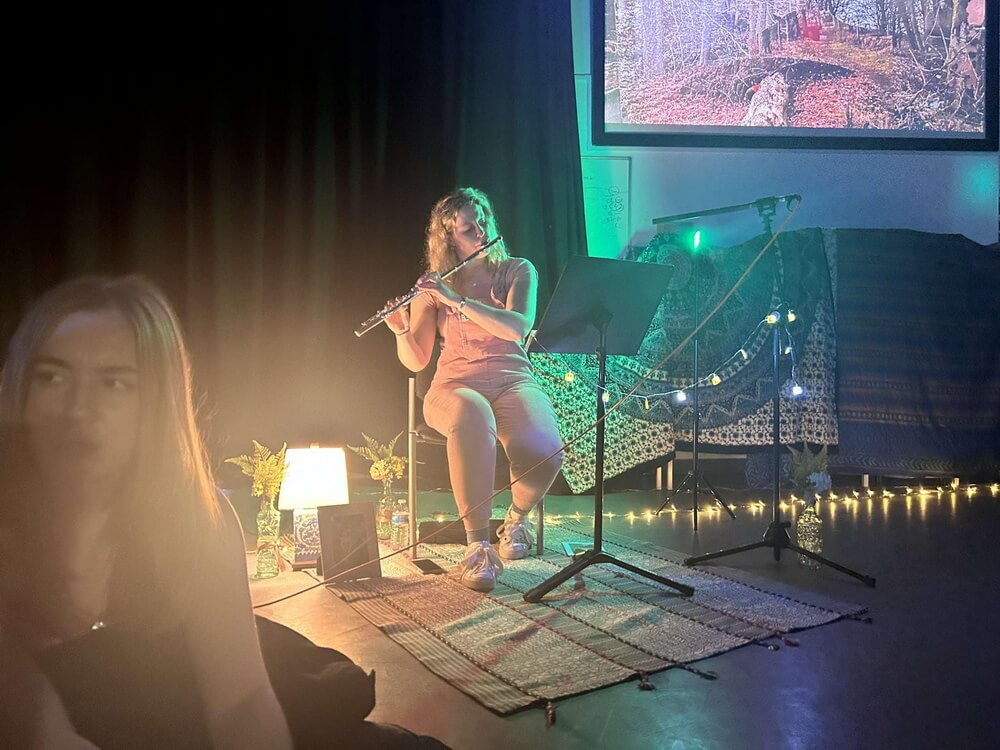
The creation of each of our ideas, graphic scores and collection of graphic stimuli was separate and done individually as we wanted the project to be open enough so that we could all contribute equally to the amount of work. We created three separate four-minute compositions and then learned and performed them together.
The idea for this project was conceived following the first class for Making Space and it was developed throughout, as our understanding of making space was developed and expanded upon. At the beginning of the course, Elliot Cow and I decided that we could work together to create a project around the concept of creating graphic scores and creating ideas and compositions off these.
We invited Selina Powell to join our project and we collectively came up with the idea of comfort spaces and solace. The topic for our performance was intentionally vague, as this allowed for us all to come up with our own understanding of the topic theme and to create something which we understood individually and then bring it to the group to be learned, developed, and performed collectively.
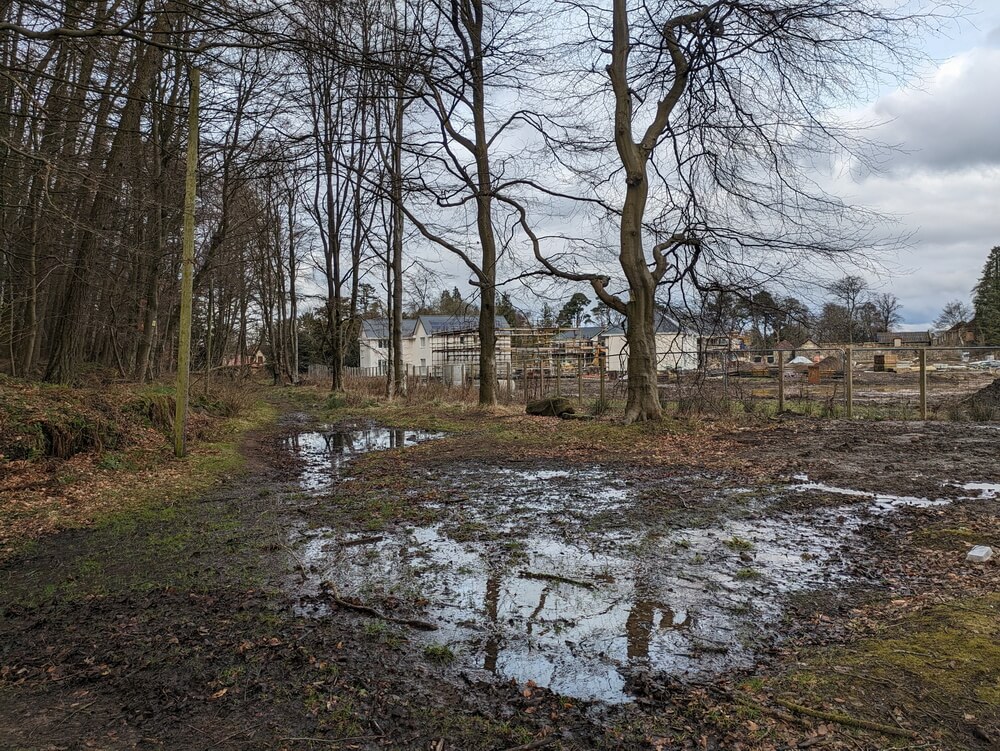
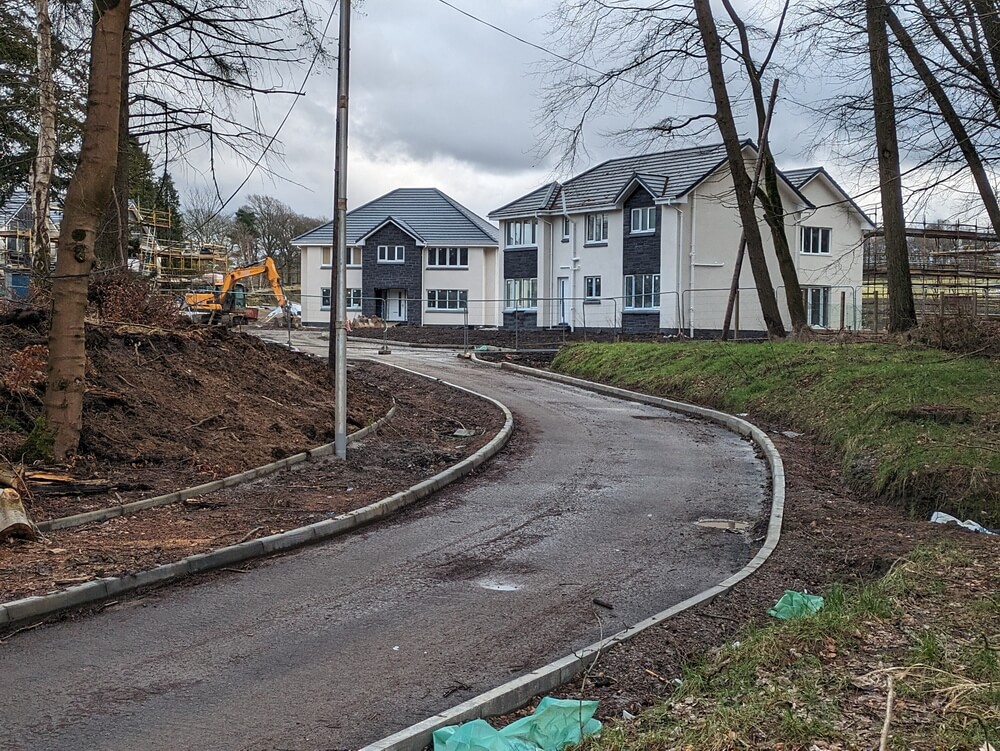
I wanted my composition to approach the idea of growth, destruction, and change. It was based off my comfort space, which was the forest surrounding my childhood home.
I wanted to approach the idea of destruction and change in my composition; I wanted to focus on and scrutinise the idea of change and growing up.
My comfort space has been forever destroyed and changed, as the forest where I find comfort and solace has been cut down and dug up, to make room for a housing development.
The main focus of my composition was translating this idea and reality through sound, I did this with trying to replicate the sound of birds and nature and wind, as well as having a development and breakdown of our sound into the final section which was supposed to sound as if the theme that was previously heard has been change and destroyed, on drums I tried to replicate this through the hammering noises of the bass drum.
My composition approaches this idea of undeniable change, and the reality of growing up and moving away from home, and having your safe spaces and people change and also tries to communicate the feeling of solace and then upset and distortion as the sound the audience becomes used to changes forever.
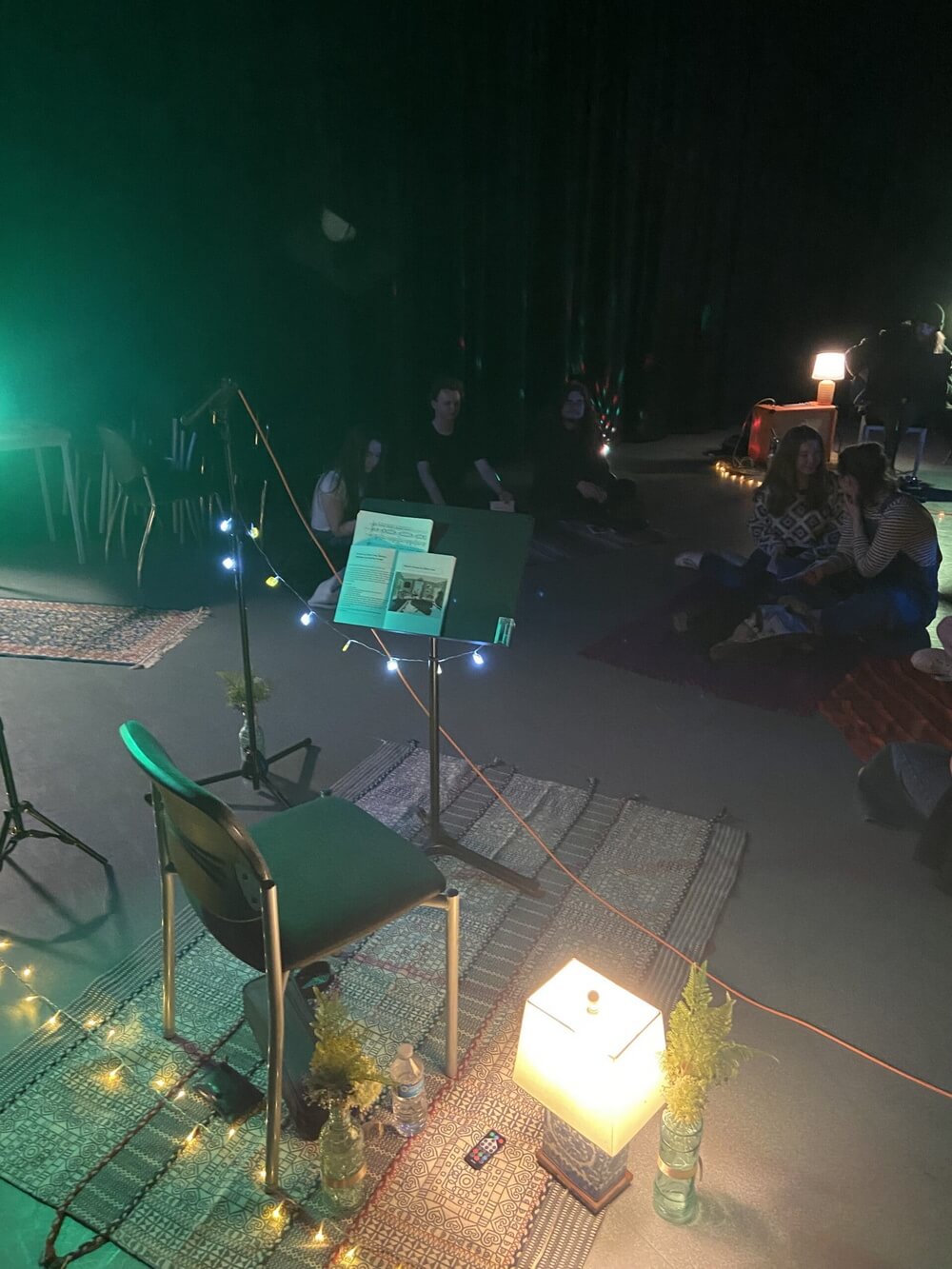
We wanted to create a performance which was something to be experienced by the audience through visual stimuli, music and set design. We wanted to challenge the traditional audience structure and layout and allow the audience to experience the space how they would like to, through sitting on chairs, on the floor, by lying down or walking about. We wanted to create a comfortable safe environment where people could take the time to relax and just sit back and be taken in by the comfortable environment, lights and sound.
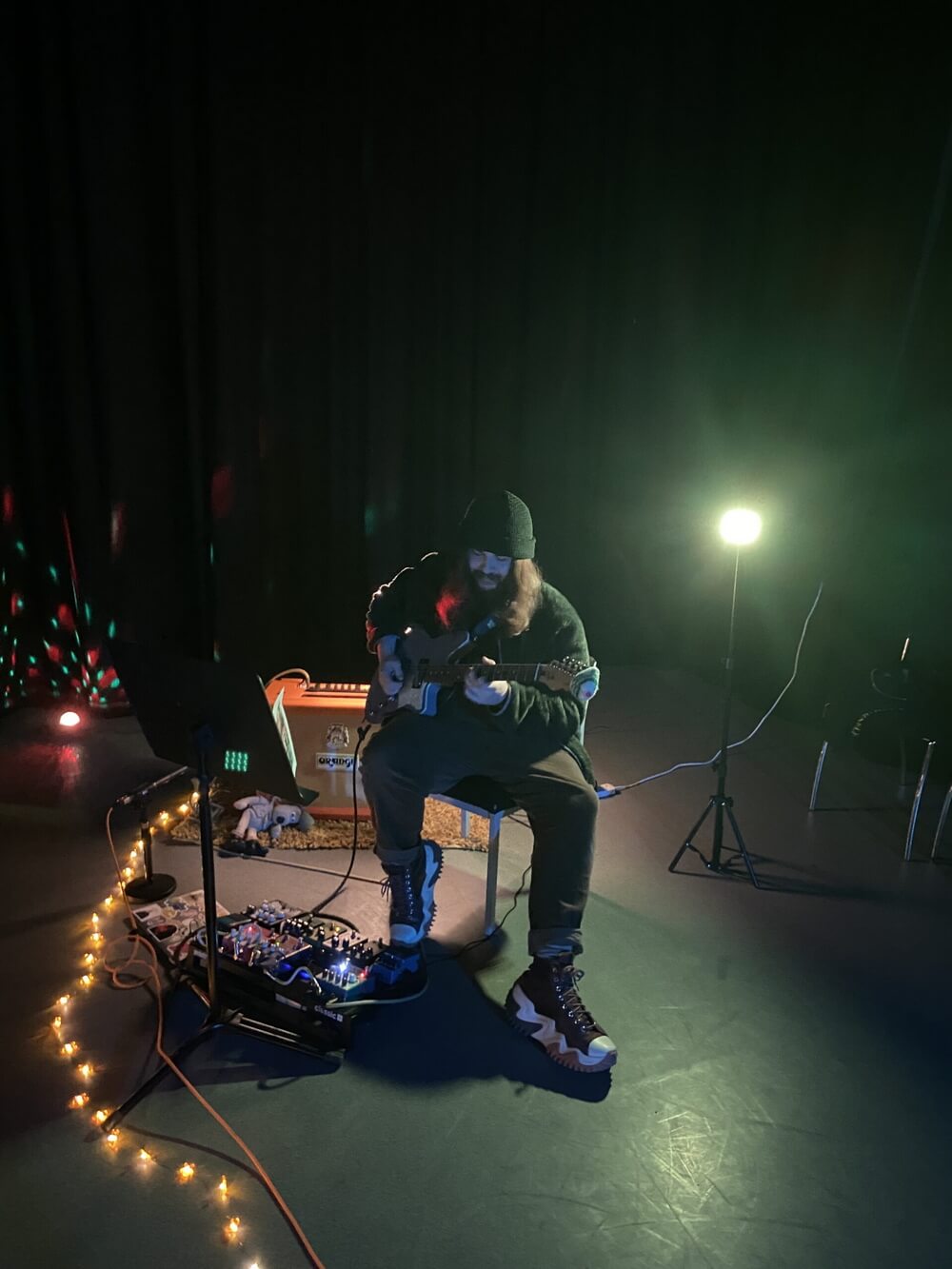
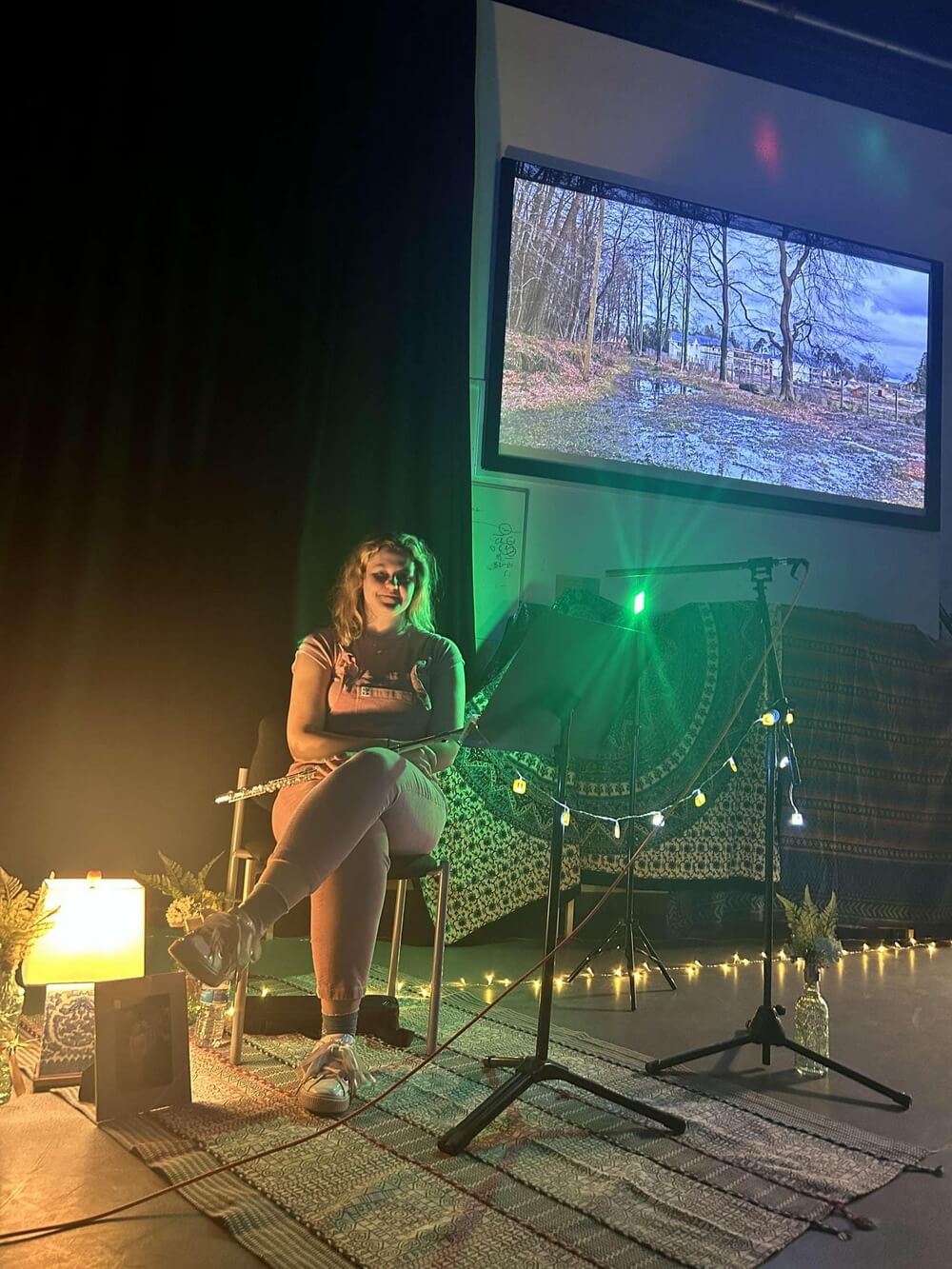
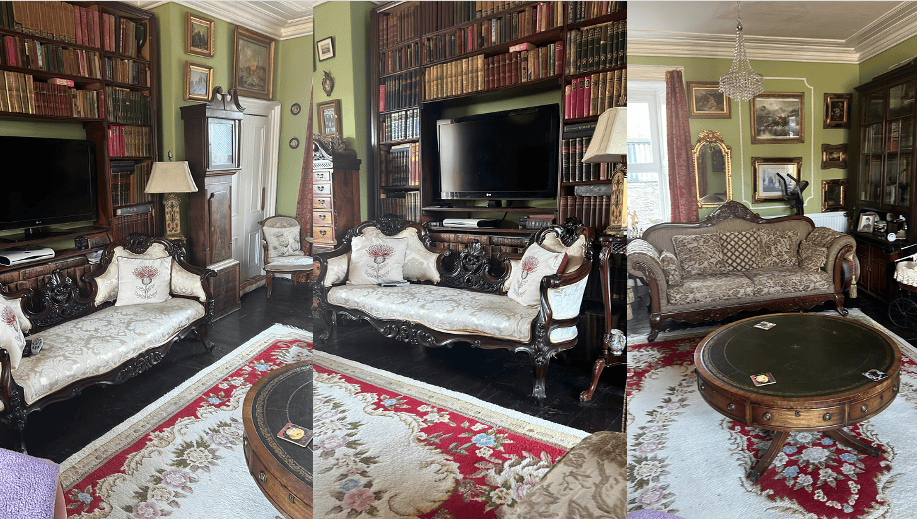
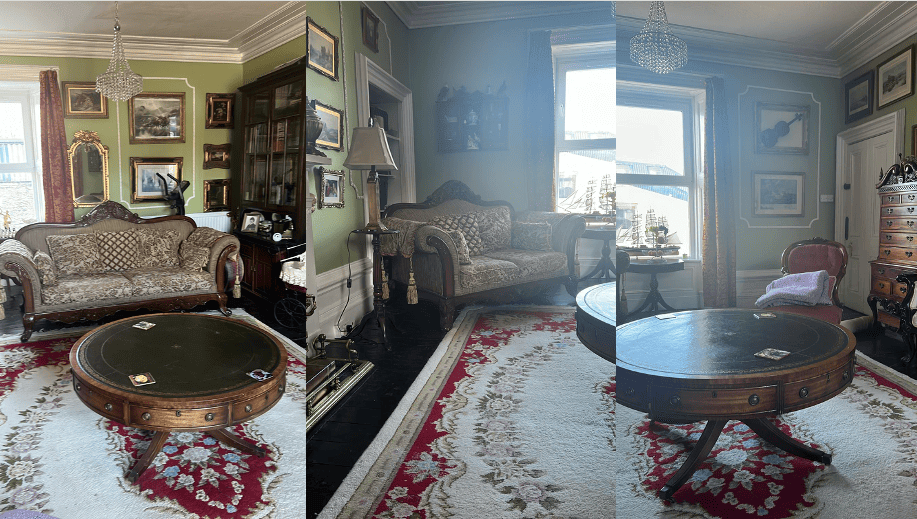
We chose to do create this space through a couple different methods one of which was set design and dressing. We specifically chose a performance space which met our specific criteria, it had to be small enough room to feel cosy and not cold, large enough to fit us and an audience, have blackout curtains and a projector. We chose a room on the university campus, MR614, as it met all our criteria and we were able to supply many carpets, lamps, fairy lights, coloured lamps, and blankets to make the space feel homely and comfortable.
We also added to this comfort theme by making the space dark, providing low light and by what we wore. We decided to wear themed clothing of dungarees to embody the idea of homeyness and safety.
We provided visual stimuli for the audience to experience through a projector on the wall, the projector cycled through a looped PowerPoint that I made to show the audience what spaces we used to inspire our compositions, this allowed for the audience something to focus on beyond just the music. We also used lighting to translate our theme, each of us were bathed in separate coloured light which represented the environments we were trying to be communicate through our compositions, green for forests, blue for beaches and orange for home.
We also each wrote a program note for a program and provided graphic scores to be collected by Selina into a program which she formatted, and I printed.
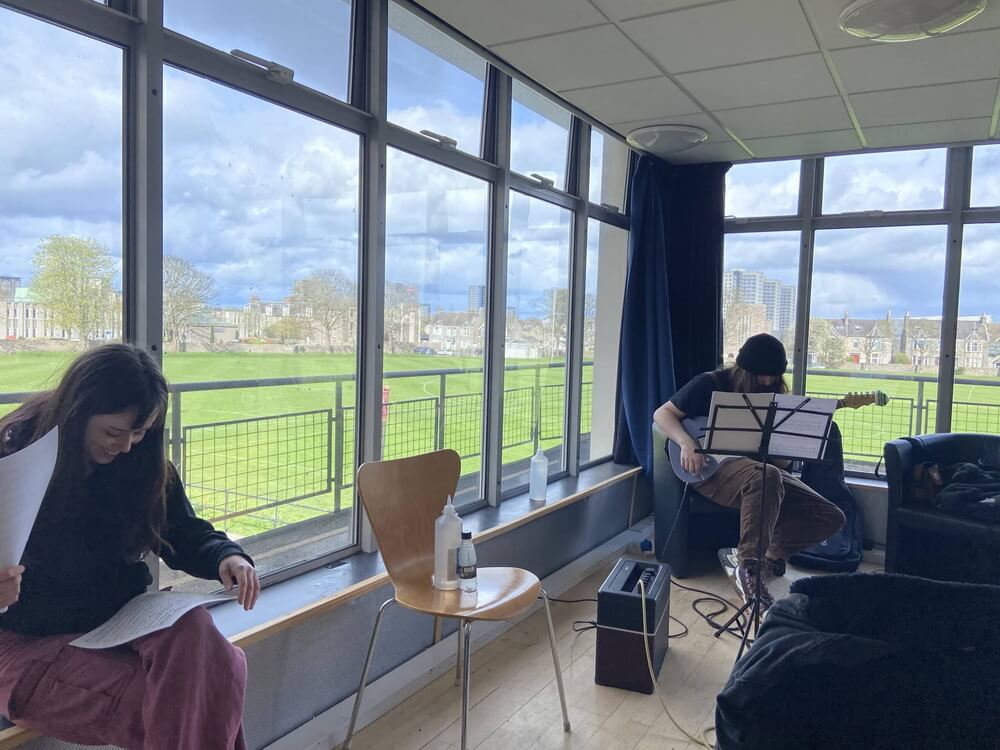
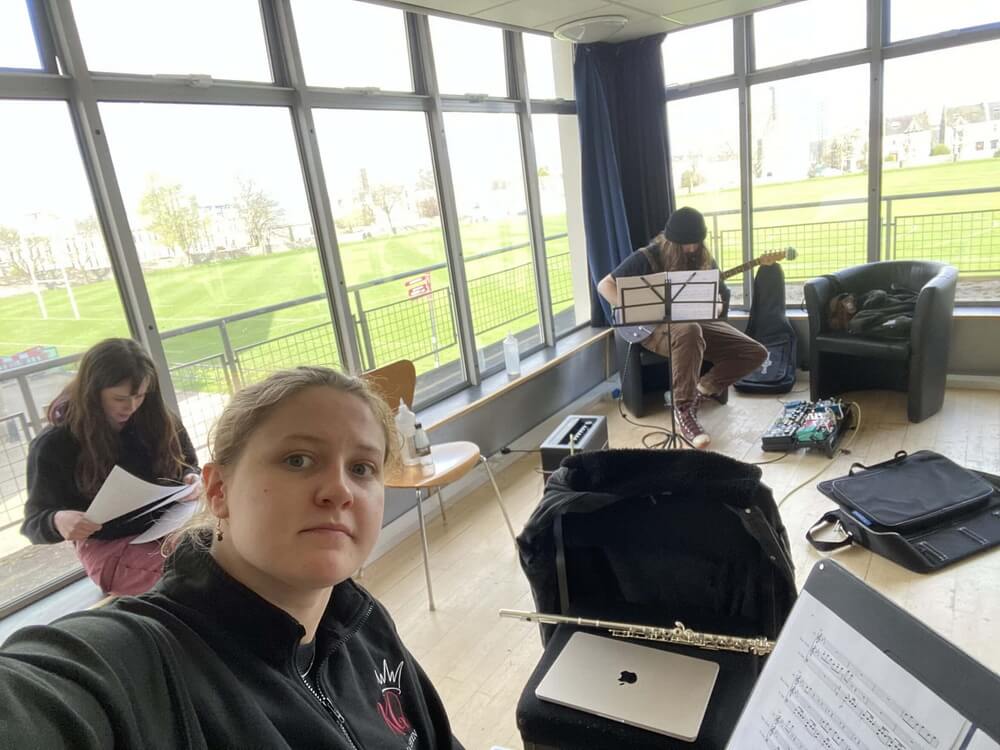
Throughout the process of our project creation, we wanted to evidence what we worked on and show how much beyond the final project we did, we did this by collecting photos and recordings of our practice sessions, as well as writing a score and creating visual stimuli art and collecting photos. In total we had 4-7 practices before our performance, this allowed us to come together to work on our compositions, so we created the best outcome overall.
The practices were important so that we understood each other better as performers. We also decided to record our performance, going against our main idea that the space needs to be experienced to understand our project concept, we needed to create a way of evidencing our work.
We held a public performance on the 7th of May at 7pm in MR614 where we advertised, invited, and designed a performance experience. We all invited friends, lecturers, and family, we did this as a key part of our performance was attempting to challenge the way that audiences experience a performance, and we needed an audience to take part in our created environment and performance experience to do this.
Overall, the performance was successful and worked well to communicate our idea of safe spaces to the audience and we were also successful in creating a safe space and comfort experience.
Despite the positives of the performance there were a couple aspects that could be changed or challenged to make the audience experience more positive. One of these being that the beginning of our performance that was delayed because of technical issues of our audio recorder, this meant that the audience had to wait in silence for 10-20 minutes before the performance to begin which was not the best way to create a comfort environment.
Another aspect that could be fixed was how we welcomed and said goodbye to people entering and exiting the space, the location of the performance can be difficult to find and as well it can be intimidating walking into a darkened room. We wanted the space to be created and built for people arriving however with this it did create an environment where people felt unsure about entering the space.
There was no clear way to communicate the end to the performance beyond thanking people and once the performance ended it was difficult to communicate to the audience to feel free to leave, and the change from comfort and the dark to the bright light of the hallway felt jarring.
If we were to do this project again, we should have the space booked for much longer beforehand so we can properly set up, we would have someone at the door greeting people who are entering, have signs to guide people in and perhaps a rug out with the room to transition the audience from the outside into the performance space.
We should also choose a space which had blackout curtains and a light dimmer this would lower the shock of light changing and signal an end.